
Choosing the Best Firewood for Your Fireplace
Choosing the right firewood keeps your fireplace burning efficiently. Here’s how to pick, store, and use the best firewood for a warm, clean fire.
A slow combustion fireplace is a fantastic way to keep your home warm and cozy during winter. However, the type of firewood you use plays a crucial role in the efficiency, heat output, and longevity of your fireplace. Selecting the right firewood, storing it correctly, and maintaining your fireplace properly can make all the difference in your heating experience.

Why Moisture Content Matters
For your fireplace to burn efficiently, firewood should be properly seasoned with a moisture content of 15% or less. Burning wood that is too wet (often called “green wood”) can lead to excessive smoke, low heat output, and creosote build-up, which can become a fire hazard. Properly dried, seasoned wood burns hotter, cleaner, and more efficiently.
How to Identify Seasoned Firewood:
Lighter in weight compared to freshly cut wood
Has visible cracks at the ends
Makes a hollow sound when knocked together
Can be measured with a moisture meter to ensure it’s below 15%
Best Firewood Choices: Hardwoods vs. Softwoods
Not all firewood is created equal. The type of wood you burn affects how long your fire lasts, the amount of heat produced, and the build-up of ash and creosote.
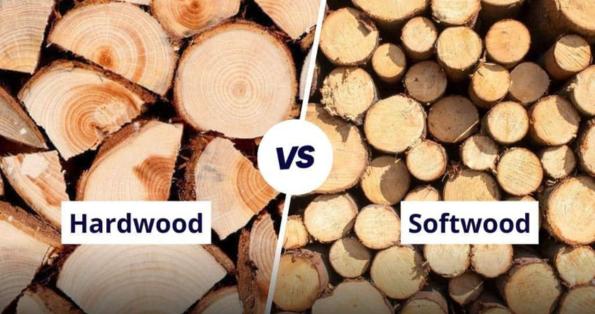
Hardwoods (Best Choice for Fireplaces)
Hardwoods are dense and burn longer, making them the preferred option for slow combustion fireplaces.
Ironbark – One of Australia’s densest hardwoods, offering a long and steady burn.
Red Gum – A great balance of high heat output and burn time.
Jarrah – Slow-burning and efficient, perfect for extended warmth.
Yellow Box – Produces consistent heat with minimal smoke.
River Red Gum – Provides long-lasting, steady heat output.
Softwoods (Less Efficient for Heating)
Softwoods such as Pine and Cypress burn faster, create more smoke, and contribute to creosote build-up, making them less ideal for home heating. They are best used as kindling to help start your fire.
Proper Firewood Storage Tips
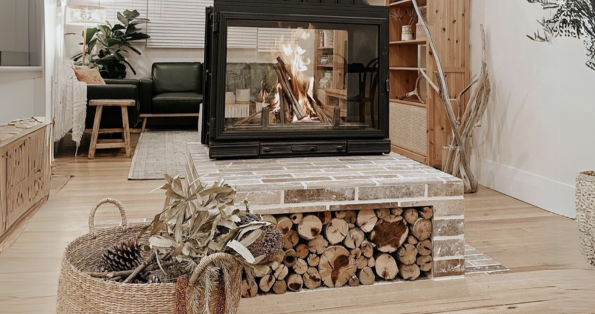
Even the best firewood won’t burn well if it’s stored improperly. Here’s how to keep your firewood dry and ready for use:
Keep it off the ground – Store firewood on pallets or a raised surface to prevent moisture absorption.
Cover the top, not the sides – Protect your woodpile from rain but allow airflow for proper drying.
Choose a sunny location – Sunlight and airflow help wood season faster.
Rotate your wood supply – Always use the oldest, driest wood first.
Buying Firewood: What to Consider
If purchasing firewood, keep these key points in mind:
Ensure proper seasoning – Ask if the wood has been dried for at least six to twelve months.
Buy in bulk – Purchasing in advance, especially in warmer months, can save money.
Check sizing – Ensure the wood fits your fireplace size.
Choose sustainable sources – Opt for suppliers who practice responsible wood harvesting.
Final Tips for a Clean and Efficient Fire
Never burn painted, treated, or wet wood – These release harmful chemicals and create excessive creosote build-up.
Use small pieces of kindling to start the fire before adding larger hardwood logs.
Regularly clean your fireplace and chimney to maintain efficiency and safety.
By selecting the right firewood, storing it correctly, and following best practices, you can enjoy a warm, efficient, and safe fire all winter long.
Need more fireplace tips? Contact Woodpecker for expert advice and servicing!